
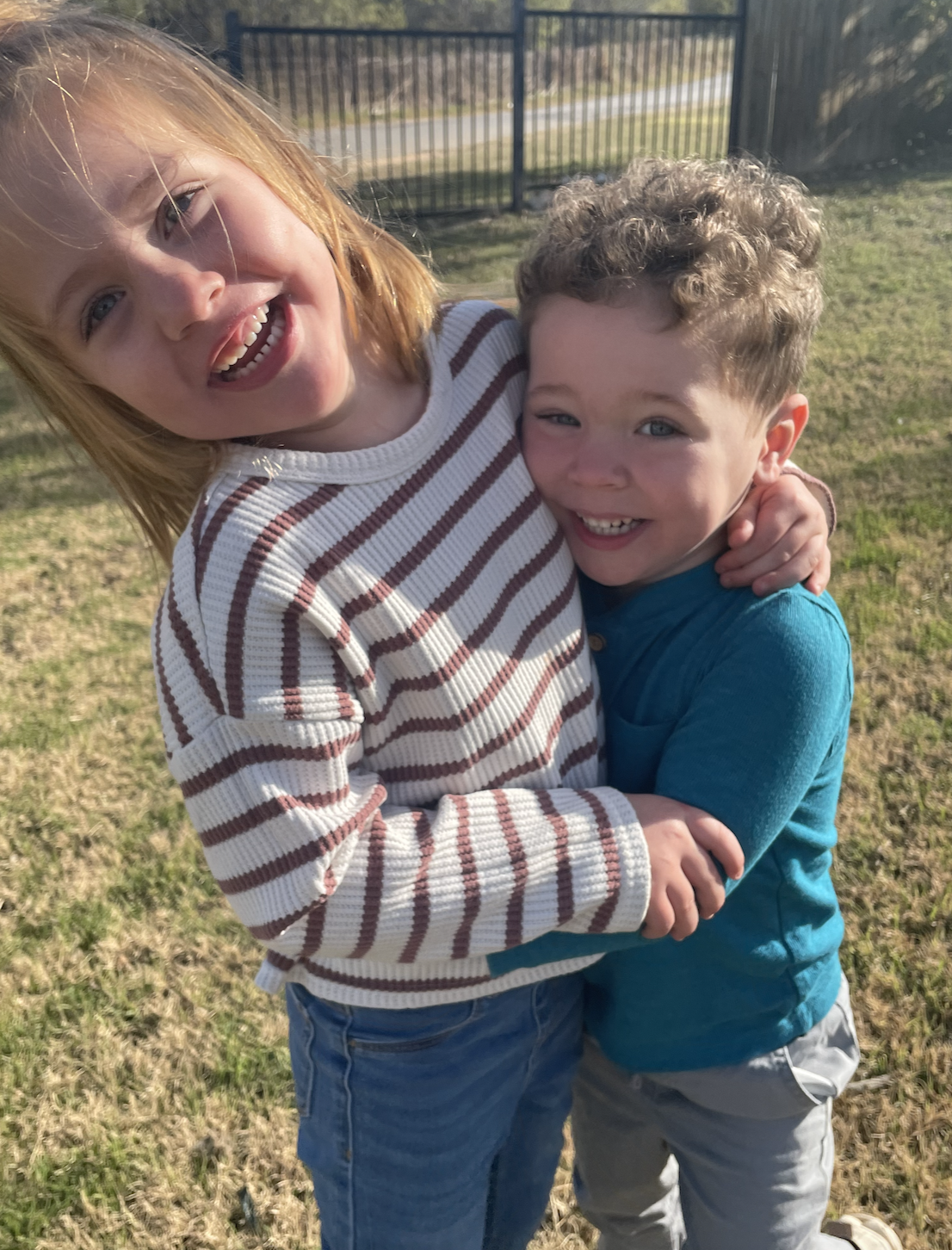
Raising siblings is an adventure—beautiful, messy, and filled with opportunity. At its best, siblinghood can be a training ground for life: a place where kids learn empathy, teamwork, boundaries, and how to love and be loved unconditionally. But without some intentional structure at home, that same dynamic can easily tip into rivalry, resentment, and competition.
Here’s how to create a home culture that fosters teamwork, respect, and connection among siblings—without the power struggles.
Key notes
- Encourage Cooperative Play
- Eat Together as a Family
- Don’t Fear the Fights
- Prioritize One-on-One Time
- Avoid Comparisons
- Respect Their Need for Space
- Create a Family Team Culture
1. Encourage Cooperative Play (Kids vs. Parents, Not Kid vs. Kid)
It’s easy to fall into the trap of letting sibling play become a competition—who wins, who’s better, who got more turns. But one powerful shift is to encourage cooperative play, especially games where it’s “kids versus parents” or “everyone versus the clock”.
When children are on the same team, they naturally cheer each other on. Whether it’s a board game, a pillow fort mission, or cleaning up toys to beat the timer, these moments build trust and shared identity. Your home becomes a place where siblings see each other as allies, not rivals.
2. Eat Together as a Family—More Than Just a Meal
Family meals are more than food—they’re connection points. Sitting down together (even just a few nights a week) helps kids see the family as a unit. It’s a time to model listening, to hear each other’s thoughts, and to foster a sense of belonging.
Use the table as a judgment-free zone. Instead of correcting or comparing, ask open-ended questions like:
- “What was something fun you did with your sibling today?”
- “What’s one thing someone at the table did today that made you smile?”
You’re reinforcing that your family values connection and appreciation over comparison or competition.
For ideas to make this possible with toddlers, check out this article!
3. Don’t Fear the Fights—Help Them Navigate Conflict
Sibling fights are normal. What matters is how we respond.
Instead of always stepping in as the referee, act as a coach. Help them learn to express their feelings, listen to each other, and solve problems without blame. Try phrases like:
- “It sounds like you’re both feeling frustrated. What do you need from each other right now?”
- “Can we find a solution that feels fair to both of you?”
Focusing on resolution instead of punishment teaches conflict resolution skills that will serve them for life.
4. Prioritize One-on-One Time With Each Child
No matter how close siblings are, each child still craves individual attention. Even 10–15 minutes of focused time can go a long way in making a child feel seen and valued.
One-on-one time:
- Reduces attention-seeking behaviors.
- Decreases jealousy or rivalry.
- Reinforces each child’s sense of identity.
When kids feel secure in their unique relationship with you, they’re less likely to compete with each other for attention.
5. Never Compare Your Kids (Even Subtly)
It’s tempting to say things like, “Why can’t you be more like your sister?” or “Your brother never did that at your age.” But even well-meaning comparisons can hurt deeply and pit siblings against each other.
Instead, focus on each child’s growth and character. Replace comparison with observation:
- ✅ “I noticed you worked really hard on that puzzle.”
- ❌ “You’re much more focused than your brother.”
The goal is to help each child feel celebrated on their own terms, not in relation to a sibling.
6. Respect Each Child’s Need for Space
In a busy household, kids may feel like they’re always sharing—time, toys, even their identity. That’s why alone time matters.
Create opportunities for each child to recharge solo. This might mean:
- Letting them have their own shelf or drawer for special items.
- Scheduling “quiet time” where everyone does something independently.
- Respecting when one child needs space after school or a tough day.
When kids learn to honor their own boundaries, they become better at respecting others’ too.
7. Create a Team Culture at Home
Finally, create a shared family identity that celebrates teamwork. Use phrases like:
- “In our family, we help each other.”
- “We’re a team, and teams stick together.”
- “We don’t always agree, but we always care.”
In our family, we put our hands together and say “Team Stapps” before doing any project or going into a store. We have “family missions” and “teams” that encourage family togetherness.
Celebrate moments when siblings support each other, however small. Point out those times with pride. “I saw the way you helped your sister zip her coat. That’s what being a team is all about.”
Final Thoughts
Sibling dynamics don’t have to be a battlefield. With intention, you can help your children grow into not just siblings, but teammates, confidants, and lifelong friends.
It won’t be perfect—there will be squabbles and tears—but every respectful conversation, every shared laugh, and every moment of connection plants the seeds for strong sibling bonds that will last far beyond childhood.
Start small. One game, one meal, one conversation at a time.
