
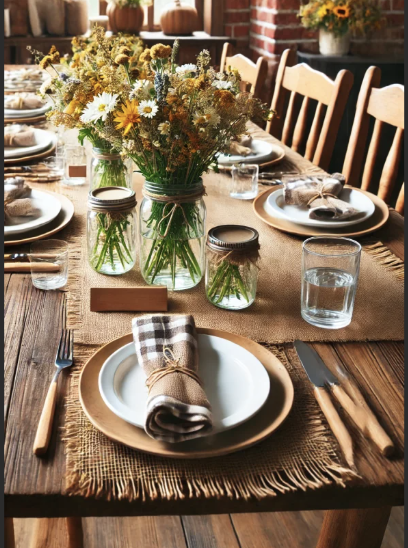
A Strong Family has Well Worn Seats at the Dinner Table
Let’s be honest—dinnertime with toddlers isn’t always the idyllic, candlelit family meal you might’ve imagined. There are spills, picky eaters, sudden tantrums, food flung like confetti, and the never-ending negotiation over “just three more bites.”
But despite the chaos, dinner time can still be peaceful—not perfect, but peaceful. With a few mindset shifts, simple routines, and toddler-friendly strategies, you can turn dinner into a time of connection, calm, and even joy.
Here’s how.
1. Set the Stage Before Dinner Starts
Toddlers thrive on routine and predictability. A peaceful dinner often starts before anyone sits down.
Try this pre-dinner rhythm:
- Give a 5-minute warning before dinner starts (“Dinner in five minutes! Time to finish your toys!”).
- Let them help in small ways—putting napkins on the table, stirring something, or picking the vegetables. Participation builds buy-in.
- Offer a calming transition: wash hands together, play soft music, or light a candle. It signals a shift to a new, slower pace. (Having dinner by candlelight can keep the environment calm and inviting.)
- Say a prayer before you eat to calm everyone’s mind. We let our kids lead us in prayer. It is always amazing to hear the simplicity of a 3-year-old talking to God.
2. Keep Expectations Age-Appropriate
First, let’s ground ourselves: toddlers are still learning everything—how to sit still, how to use utensils, how to regulate emotions, and yes, how to eat what’s in front of them. So instead of expecting perfect manners or clean plates, focus on these three realistic goals:
- Everyone is safe at the table.
- Everyone is spoken to with kindness.
- Everyone is allowed to eat (or not eat) peacefully.
Once you release the pressure, dinner becomes more enjoyable for everyone—including you.
3. Create a Kid-Friendly Table Setup
Little things can make a big difference in how toddlers experience the table:
- Use child-sized utensils and dishes.
- Consider a booster or footrest so they feel stable.
- Offer a small portion first—it’s less overwhelming and reduces waste.
- Keep a towel nearby for spills. Expect mess. Embrace mess.
Bonus tip: A non-slip placemat or tray can help reduce plate-tipping disasters.
4. Serve the Food Family-Style (Yes, Even for Toddlers)
Toddlers love independence, and giving them even small choices can reduce power struggles.
Instead of pre-plating meals, let them serve themselves (with your help). Use phrases like:
- “Would you like carrots or broccoli—or both?”
- “You don’t have to eat it, but it’s okay to have it on your plate.”
We have a rule that our kids have to try one bite of everything new to see if they like it. If they try it and don’t like it, we don’t force it. However, when eating family-style, kids are less likely to be picky eaters.
When toddlers feel in control of the experience, they’re more likely to stay engaged—and stay seated.
5. Keep Conversation Light and Playful
Dinner doesn’t have to be serious. In fact, toddlers often respond best to silly, engaging conversation.
Try questions like:
- “What animal do you think would love this spaghetti?”
- “If you were a vegetable, which one would you be?”
- “What was your favorite part of the day?”
Avoid pressure or lectures about food. Toddlers learn through fun and repetition—not stress.
6. Don’t Turn Dinner Into a Power Struggle
Here’s a truth bomb: you can’t make a toddler eat.
And you shouldn’t try to.
Instead, follow the “Division of Responsibility” approach:
- You decide what is served and when.
- Your child decides whether to eat and how much.
Let them eat what they want from what you provide, and remind yourself: one skipped meal is not a crisis. Toddlers are naturally intuitive eaters.
I believe no one should go to bed hungry.
It’s hard for me not to offer snacks or a different meal when my kids don’t want what I made. But over time, they started taking advantage of that.
Now, if they say they’re not hungry, we just cover their plate — that’s their only option for the rest of the night. This has helped encourage them to eat during mealtimes.
7. Keep Dinner Short and Sweet
Most toddlers max out at 10–15 minutes at the table—and that’s okay. Peaceful doesn’t mean lengthy.
Tips to make that time count:
- Avoid distractions (no toys, tablets, or TV at the table).
- Sit and eat with them—don’t just supervise.
- End on a high note. If they’re done, say, “Thanks for joining us!” and help them leave the table calmly.
Our kids can leave the table during meals, but we have one rule: if you’re not at the table, you can’t join the conversation. This keeps things calm and helps everyone focus on the meal — and usually encourages the wanderer to come back and join in!
8. Celebrate the Small Wins
Was everyone seated for 8 minutes? That’s a win.
Did your toddler try one new bite without drama? That’s a win.
Did nobody throw a fork across the room today? Big win.
Progress with toddlers isn’t linear, but over time, these small moments of peace start to add up—and shape their long-term relationship with food and family mealtimes.
Final Thoughts
Peaceful dinners with toddlers are absolutely possible—but they won’t look perfect. And they don’t need to.
They look like connection, small choices, lots of grace, and the understanding that this is a season. Messy and loud, yes—but also full of memory-making and love.
So take a deep breath. Wipe the spilled milk. And know that even if your toddler ate only rice and blueberries, what they’re really being fed is something deeper: the warmth of being together at the table.
